In this series, we explore some of the most important lessons and insights from our executive coaches and mentors.
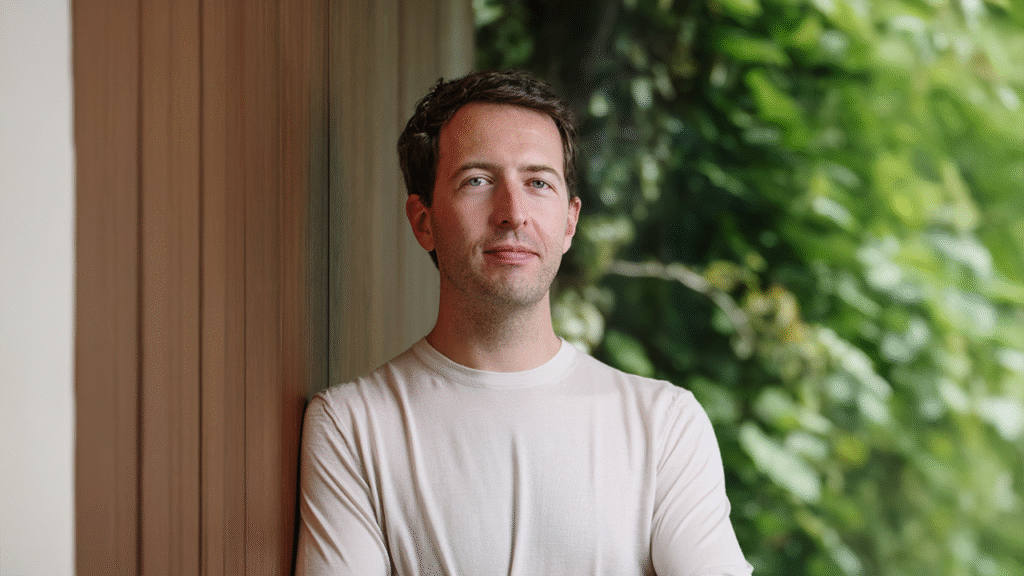
Rich Stoddart, an executive coach and mentor at The ExCo Group, Chair and former interim CEO of Hasbro, and the former President and CEO of InnerWorkings, shares his leadership lessons. These include the significance of the order of operations and context in turnarounds, and recognizing your gifts early in your career.
Click here for more ExCo insights.
KEY LEADERSHIP LESSONS
The first lesson is that “order of operations” and context matter in turnarounds. A lot. I learned that somewhat accidentally, leading two turnarounds. The first experience was at a company that had been sold and been through five CEOs in five years. It had lost its way. Job one was figuring out our mission, vision, values, and purpose. Job two was getting the structure right, and job three was getting the right people into place. This order made sense to me—strategy, structure, then people.
My second turnaround involved a company facing tough challenges, with both revenue and profitability declining. We didn’t have time for discussions around mission, vision, values, and purpose. The company was on fire, so we started with a fundamental restructuring of the organization and getting the right people in the right places. Once we had things stabilized, then we worked on our mission, vision, values, and purpose, which was very powerful and helped us come together as a firm. I used to think that you have to follow the same order—strategy, structure, people—in every situation. However, I came to understand that you have to honor the context in which the company exists to determine the right order of operations.
Figure out your gifts early in your career.
The second lesson is that you need to figure out your gifts early in your career. It starts with the idea that we often focus on trying to fix what we are not good at, whether it’s a subject in school or a particular skill at work. Instead, we should really be focusing on our strengths and how to leverage those best. For me, the lesson came from a company founder I worked with closely for many years. We were in the middle of a crisis, and he said to me, “Stoddart, your gift is your passion.” It was a big surprise for me because I was so focused on getting better at the things that didn’t come naturally to me. And so I shifted my focus to trying to bring out the energy and passion in others. And that’s why, whenever someone just starting their career comes to me for advice, I always ask them, “What are you good at? And what makes you happy?” The answer to those questions provides clues to finding your gifts.
WHEN I COACH CLIENTS, WE OFTEN TALK ABOUT…
The first common theme is the loneliness of the CEO job. Being the CEO is a kind of artificial existence. You work inside a socially and emotionally connected organization, and yet the CEO, as the most senior person, ultimately has all the pressure on them. Loneliness is true across the C-suite, but especially at the CEO level. It’s hard to figure out who you can talk to because you have to be on guard all the time in the office—even your body language can shift the mood of the entire organization.
This is a hard one to address because there aren’t a lot of easy answers. I suggest to my clients that they focus on identifying and building their “tribe.” These people are less about seniority or networking and more about being truth-tellers who have your back and will say the hard things no one else will. That’s why having a coach is so important because a coach has no agenda other than trying to help you.
The second common theme that comes up is when people say, “I don’t have time to think.” What I’ve observed over time is that your calendar will eat you if you don’t manage it, and most senior people are bad at managing their calendars; in fact, often, they have someone else manage it for them. They are ceding control over their most valuable and limited resource to someone else. So I will ask, “How do you prioritize? What things do you need to make time for that you aren’t making time for now? What time/activity do you need to protect most?” You have to be intentional about how you spend your time and remember that it is within your control.
Recent