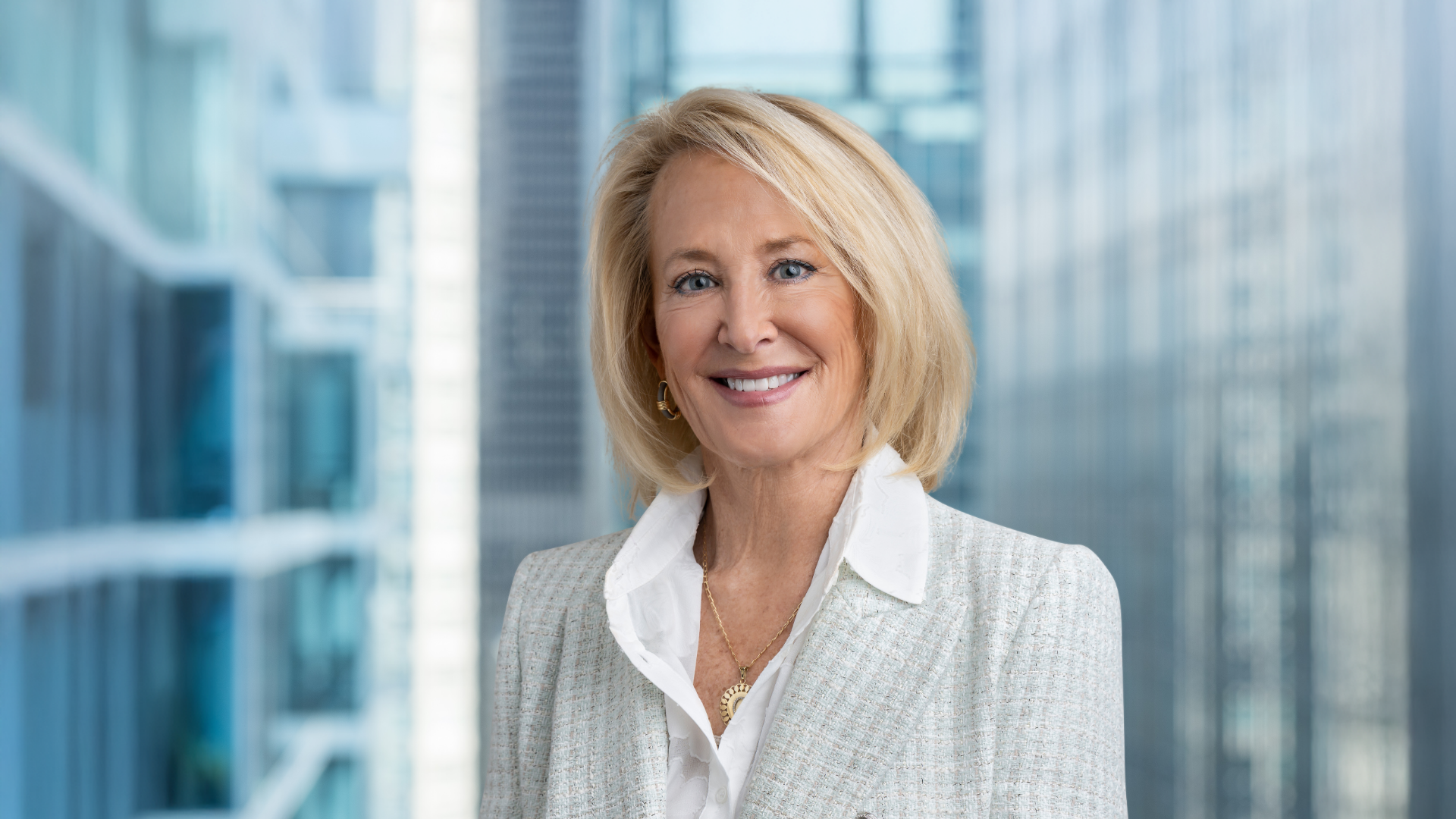
Claire Borelli, Chief People Officer at TIAA, spoke with Adam Bryant and David Reimer about preparing organizations for an AI-transformed future, building employee trust through transparency, and balancing accountability with empathy. Borelli shares why skills now matter more than domain knowledge, and how her personal experiences with adversity shaped her resilient leadership approach.
Reimer: What issues are top of mind for you these days?
Borelli: I was at a recent event where a gentleman stood up and said something that I thought was quite profound. He said that we are most likely the last cohort of Chief People Officers and CHROs who will manage just people. Said differently, we are now seeing the first cohort of CHROs who will be managing an AI workforce. I do think a lot about the impact that AI is going to have—on our businesses, on our people, and on the HR function specifically.
On the strategic front, I’m also thinking a lot about how we can help our business prepare for what’s coming in five years without even really knowing what’s coming in five years. What we do know is that many operating models, structures, and hierarchies will be very different from what we know today. There will be more focus on the work, and that work itself will be different.
But I am very optimistic. We’re going to see opportunities for more growth strategies, more revenue, different revenue streams, different products, and things we don’t even know yet that are going to help grow and expand our businesses. And it’s likely that HR is going to look very different in terms of supporting organizations—the way we attract talent, the way we function, and the way we’re organized.
Bryant: Many employees are in a bit of a defensive crouch these days, given all that is going on in the world, and because of perceived risks to job security because of AI. What is the role of HR to help calm those waters?
Borelli: At TIAA, we are being really honest and transparent with our employees and letting them know what we know and don’t know. And we’re trying to be very deliberate and very specific about demonstrating that we are in this with them—we’re not going to let AI happen to them.
As an example, last summer we slowed down all external hiring to the point of almost stopping it altogether. In doing that, we garnered an inordinate amount of trust, and it lowered the fear and the anxiety. By slowing down external hiring, we increased our internal hire rate from 24 percent at the end of 2024 to 40 percent at the end of 2025, which is a 67 percent increase.
If you can demonstrate to your associates that you’re focused on them and that their interests are very much at the forefront of everything we do, you can garner a lot of trust and goodwill, which helps decrease the anxiety that many organizations are feeling.
Reimer: Employees are being asked to stretch themselves, build new skills, and innovate. But innovation by definition introduces more risk and failure. How do you balance those?
Borelli: We talk about this as a leadership team a lot. We are a 100-year-old company, and so it’s not surprising, given our long track record of success, that some people can be afraid to make mistakes. So we are trying to shift the way they think to focus more on what they are learning and less about whether they are always successful. It’s an important nuance.
Bryant: What do you consider to be the X factors that set apart the best leaders today?
Borelli: What I frequently say to my team is that domain knowledge is important, but knowledge is no longer power. Skills are more important. Yes, when you’re assessing leaders, there’s a certain amount of domain knowledge that is table stakes. But what’s most important from a leadership perspective is how a leader shows up, and not just what they do.
Certain attributes are crucial in how we assess talent and think about performance management. They include integrity, humility, and being able to influence. All those things help build trust, and we all know how important trust is in an organization. Trust breeds followership and it accelerates decision-making and collaboration.
Reimer: What is it about your upbringing and your background that makes you comfortable in a role like yours, with so many new challenges and so much ambiguity?
Borelli: I had an inordinately dysfunctional childhood. It was very rough and challenging, but I made a decision early on that it wasn’t going to take me down. It was going to make me stronger. That made me resilient. No matter how tough things get, I’m able to dig deep and put one foot in front of the next. I do believe that good things can come out of bad things.
It’s only in recent years—as organizations have shifted to encouraging more discussion about empathy and bringing your whole self to work—that I’ve started talking publicly about mental health and my mother, who died by suicide.
I want everyone to know that people who sit in offices like mine have stuff in their past too, and it’s okay to speak about it and overcome it. It was important for me to get that message out. And from a leadership perspective, it has helped me create more followership.
Bryant: Are there certain expressions that you’ve repeated often to people over the years?
Borelli: One is the importance of hard work. Hard work pays off every time, including when I’m feeling anxious, depressed, or worried. If I double down on hard work, it really changes the game. Nothing can substitute for hard work.
Others include, don’t sweat the small stuff. I find a lot of people, including very senior executives, sweat the small stuff and they get in their own way. Lastly, I often say, don’t avoid hard decisions. Make them sooner than you want to but be thoughtful about the way in which you show up when you deliver them.
That’s especially important for HR people, because we’re always reorganizing and making changes that impact people’s lives. So the hard decisions have to be made, but what’s really important is how you show up when you make them.
Reimer: What do you consider to be the hardest part of leadership?
Borelli: The importance of balance, and I’m not talking about work-life balance. It’s about how you hold an extremely high bar in terms of expectations while also still leading with empathy. It’s about balancing accountability and empathy.
That’s something that a lot of leaders forget. They either get myopically focused on accountability or they’re myopically focused on bringing their people along. But you need both, and it’s a very hard thing to balance.
People don’t expect perfection, but they absolutely expect honesty and clarity. It’s so important to give people the right amount of clarity and direction for how to do something and set expectations for performance. That way, if their performance falls short, you’ve got the ability to be empathetic and explain to them why they fell short.
Recent