In this series, we explore some of the most important lessons and insights from our executive coaches and mentors.
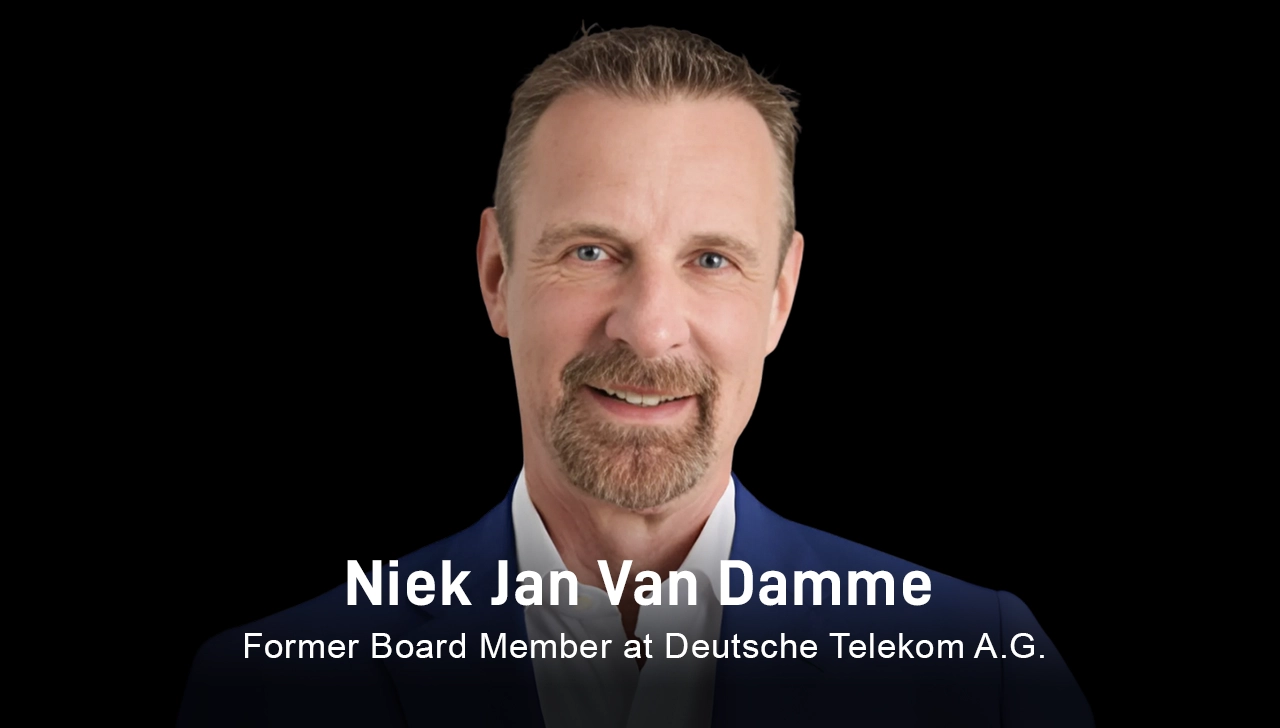
Niek Jan Van Damme, executive coach and mentor at The ExCo Group, and former board member at Deutsche Telekom A.G., shares his key leadership lessons, including the importance of standing 100 percent behind your team, having a north star, and effectively communicating your strategy.
Click here for more ExCo insights.
KEY LEADERSHIP LESSONS
One is the importance of standing 100 percent behind what my team was doing. It’s a prerequisite for really empowering people when you delegate tasks to them. By standing behind them, that also allows them to try things and make mistakes to innovate, which was very important for the telecommunications sector I worked in. You give people the ability to grow, which I believe is the key task for managers and leaders. If you trust your team and they trust you, it will make you a stronger and more effective team.
I always had this approach, but there are moments in your career that remind you of the importance of trust, especially in a negative sense. I had a colleague once who would not stand behind his team. There was a moment during a board meeting when members of his team were presenting a proposal. The discussion grew very difficult, and the colleague started acting as if he had not seen the proposal before, even though he had, and said it should be done a different way. I saw how disappointed his team was, and over time, you saw the loyalty towards him drop. People learn, especially in difficult moments, if they have the leader’s support. And if they don’t, that behavior can spread throughout the organization.
“If you trust your team and they trust you, it will make you a stronger and more effective team.”
The second key lesson is the importance, if you are a leader, of having a North Star—a clear destination and goal for your strategy. It’s especially true when you are leading big organizations, because you obviously have to work through others to communicate the message. You have to be able to describe the North Star in a way that everybody can understand, and so that they can also understand how they can contribute to achieving that goal.
I learned this when I worked for a company that was the fifth largest in our market. Our North Star was to become No. 3, and after that, of course, No. 2. It was easy to communicate—everybody understood that we didn’t want to stay No. 5 in the market and we were able to explain to everybody what their individual contribution needed to be to get from No. 5 to No. 3. If you find these kinds of specific and strong North Stars, you will be able to effectively communicate your strategy.
WHEN I COACH CLIENTS, WE OFTEN TALK ABOUT…
One theme that typically comes up is, “How should I position myself? How do I make myself, in effect, a brand?” The advice I give people is to find a value that is very close to you and is very authentic and genuine—something that you have fought for in the past that shows you have a track record of caring about that particular value or belief. The next step is to be able to explain how that value is important to driving your strategy and what you stand for as an organization.
Another common theme is around people issues. How can I get this person to produce more? How can I move this person to a different role? How can I exit this person from the organization? The role of the coach is to help people come up with their own solutions rather than giving them the solution. I will also share my experiences from when I was in similar situations, and give them some options for different approaches.
After all, we know that if people come up with solutions and plans themselves, then they normally get the best results. So it’s a matter of asking a lot of questions, such as: What have you tried already? What worked? What didn’t work? What different approach might you consider for making it work? Are there any reasons why you wouldn’t want to try those other approaches? Questions like those help you go quite deep into solution mode.
Recent